A Legacy in Stone: The Historic Natural Stones of Iranian Architecture
Iran’s history is literally carved in stone. For over two millennia, the Iranian plateau has been a treasure trove of diverse and high-quality natural stones, which master builders and artisans used to construct some of the world’s most magnificent and enduring monuments. The choice of stone was not arbitrary; each type was selected for its specific properties, contributing to both the structural integrity and profound beauty of Persia’s architectural legacy.
At Iran Stone Market, we are the direct heirs to this rich geological and architectural heritage. The stones we export today are sourced from the same lands and quarries that supplied the builders of ancient empires, allowing you to build with a piece of living history.
The Foundational Stones of Persian Empire
1. Limestone and Sandstone: The Pillars of Persepolis
The ceremonial capital of the Achaemenid Empire (c. 550–330 BC) stands as the ultimate testament to early Persian stonemasonry.
-
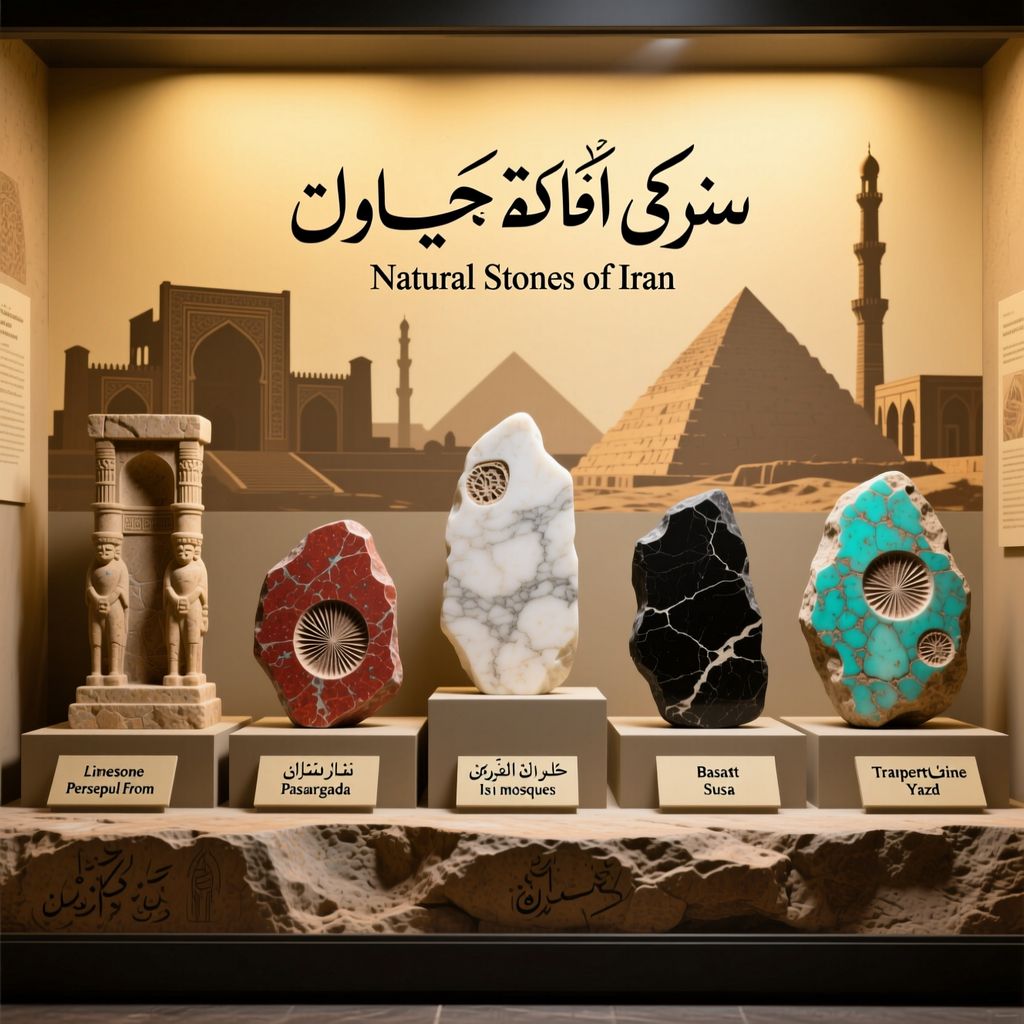
The Stone: While often referred to colloquially as “marble,” the primary stones at Persepolis are a grey limestone and, to a lesser extent, sandstone.
-
Historic Use: These stones were used to create the immense platforms, towering columns, and majestic apadana halls. Most famously, they were carved into the exquisite bas-reliefs that depict scenes of tribute and ceremony, showcasing an incredible precision that has survived for 2,500 years.
-
Why It Was Chosen: Limestone was relatively abundant and easier to quarry and carve than harder stones, yet durable enough to create permanent structures. Its fine grain allowed for the intricate detail seen in the famous reliefs.
2. Marble: The Stone of Royal Inscriptions and Elegance
While not used on the massive scale of later Roman architecture, marble held a special place in ancient Iran.
-
The Stone: Iran has deposits of high-quality white and cream marble.
-
Historic Use: Marble was often reserved for special elements, such as the chancel panels from the Sasanian Palace at Bishapur, which featured finely veined marble. It was also used for royal inscriptions and decorative inlays, signifying its status as a premium material.
-
Why It Was Chosen: Valued for its smooth texture, ability to take a fine polish, and its bright, luminous appearance, marble was a symbol of purity and prestige.
The Evolution of Stone in Islamic Iran
As Persian architecture evolved, so did its use of stone, incorporating new types and techniques.
3. Travertine: The Warmth of Safavid Isfahan
The golden age of Islamic architecture in Iran saw the extensive use of a stone that defines the look of cities like Isfahan.
-
The Stone: A distinctive, porous travertine with a warm, honey-yellow color.
-
Historic Use: This stone is the primary building material of iconic structures like Naqsh-e Jahan Square, the Sheikh Lotfollah Mosque, and the Ali Qapu Palace. It was used for structural walls, domes, and intricate carved muqarnas (stalactite vaulting).
-
Why It Was Chosen: Travertine is relatively lightweight and easy to carve, making it ideal for the complex geometric and floral patterns of Islamic architecture. Its warm color creates a welcoming, sun-drenched aesthetic that is uniquely Persian.
4. Granite: The Unseen Foundation
Though less visible in decorative work, granite played a crucial structural role.
-
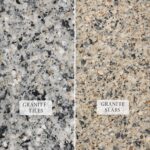
The Stone: Various Iranian granites, known for their density and strength.
-
Historic Use: Used in foundations, fortifications, and as a durable paving stone in high-traffic areas. Its strength ensured the longevity of the structures built upon it.
-
Why It Was Chosen: Granite’s unmatched durability and resistance to compression made it the perfect choice for bearing immense loads and withstanding the test of time.
The Legacy Continues with Modern Iranian Stone
The stones that built Iran’s history are not relics of the past; they are actively quarried and refined today, offering the same qualities for contemporary architecture.
-
Persian Travertine: The direct descendant of the Safavid building stone, now available in a variety of finishes (tumbled, honed, brushed) for modern applications.
-
Persian Marble: Stones like Persian White Marble continue the legacy of elegance with their dramatic veining, perfect for luxurious interiors.
-
Iranian Limestone: Durable and versatile, it remains a popular choice for cladding and flooring, echoing the strength of Persepolis.
Build with a Piece of History
When you source stone from Iran Stone Market, you are not just purchasing a building material. You are connecting your project to a timeless narrative of architectural genius and cultural grandeur. Our stones are the same ones that have defined Persian identity for millennia—durable, beautiful, and eternally sophisticated.
Incorporate the enduring legacy of Persian stone into your next project. Explore our collection and build with the stone of empires.