The Search for Eco-Friendly Stone: A Guide to Sustainable Choices
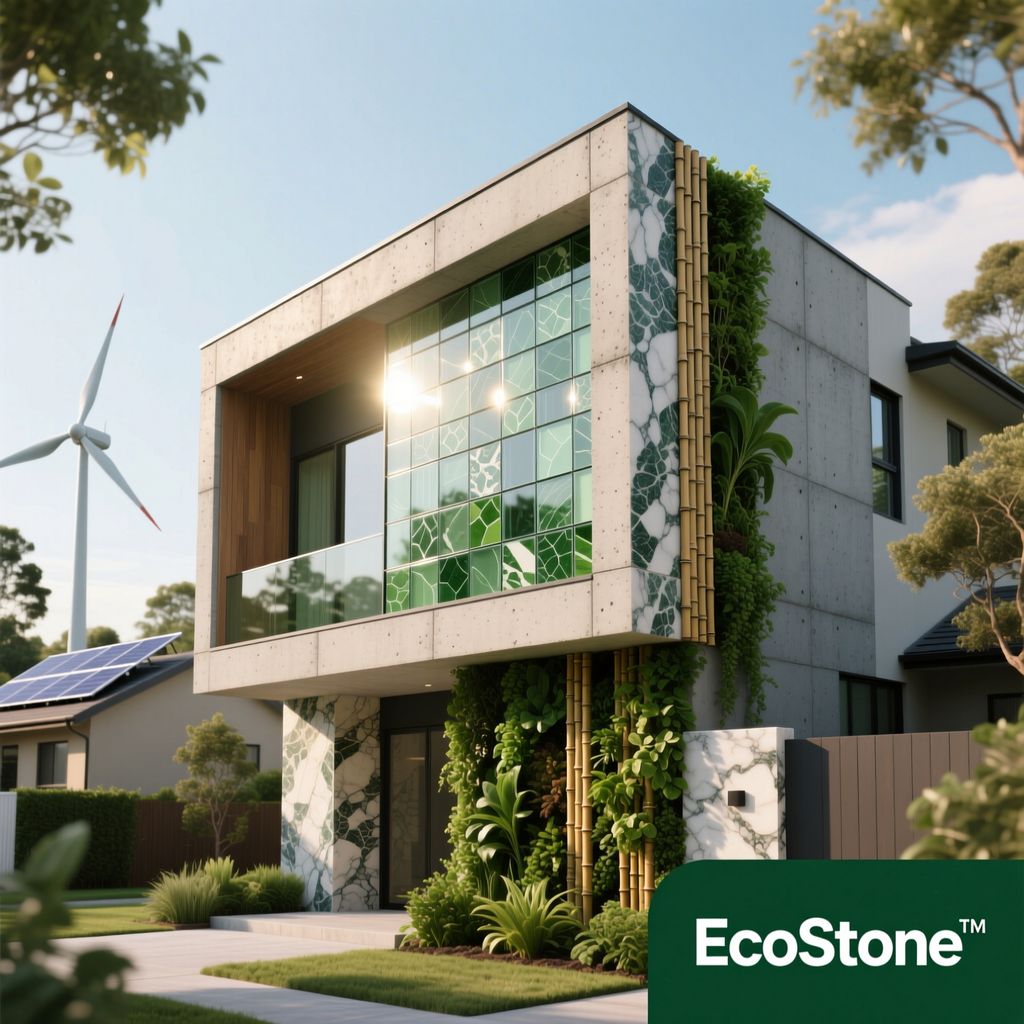
In today’s world, building and designing with the environment in mind is more important than ever. As you seek out beautiful, durable materials for your project, the question of sustainability naturally arises. You may be wondering: what are the truly eco-friendly alternatives to natural stone?
The answer is more nuanced than a simple list of new materials. While manufactured options exist, responsibly sourced natural stone from Iran remains one of the most timeless and inherently sustainable choices available. Let’s compare the ecological footprint of different materials to help you make an informed decision.
Understanding the “Green” Credentials of Natural Stone
When evaluated over its entire lifecycle, natural stone has compelling environmental advantages:
-
Longevity and Durability: A natural stone floor or countertop can last for centuries, even generations. This “cradle-to-grave” lifespan is unparalleled. You won’t need to replace it every 10-20 years, which drastically reduces long-term waste and the environmental cost of manufacturing and installing new materials.
-
A Completely Natural Product: Authentic marble, travertine, and granite are quarried directly from the earth. They contain no resins, plastics, or synthetic dyes. This means they do not off-gas volatile organic compounds (VOCs), contributing to better indoor air quality.
-
Low Embodied Energy: The processing of natural stone is primarily a mechanical one—cutting and polishing—which requires significantly less energy compared to the high-heat manufacturing processes used to create engineered composites.
-
Reusability and Recyclability: At the end of its long life, natural stone can be reclaimed and repurposed for other projects or simply crushed into aggregate for road base or other construction applications, creating a near-closed-loop cycle.
Examining Popular “Eco-Friendly” Alternatives
It’s important to look critically at the alternatives marketed as green.
1. Recycled Glass Terrazzo
This composite mixes recycled glass chips with a cement or resin binder.
-
Pros: Diverts glass from landfills; offers a unique, colorful aesthetic.
-
Cons: The binder (especially if epoxy-based) can contain VOCs. Its durability and lifespan do not typically match that of solid stone.
2. Engineered Quartz
Made from ~90% crushed quartz and ~10% polymer resins.
-
Pros: Wide range of colors and consistent patterns; non-porous surface.
-
Cons: The production is energy-intensive. The resin is petroleum-based, making the product non-biodegradable and difficult to recycle. It is often shipped long distances from a few global manufacturers.
3. Porcelain Slabs
Manufactured from clays and minerals fired at extremely high temperatures.
-
Pros: Durable, versatile, and can mimic many natural materials.
-
Cons: The firing process is one of the most energy-intensive in the material world. While durable, the production footprint is very high.
The Iran Stone Market Commitment to Responsible Sourcing
We believe that the most sustainable choice is natural stone that is sourced with responsibility at its core. This is why our commitment goes beyond just exporting stone:
-
Ethical Quarrying: We partner with quarries that are committed to responsible land management and reclamation practices, minimizing the long-term impact on the landscape.
-
Local Processing: By processing much of our stone near the source, we reduce the carbon footprint associated with shipping raw blocks across the globe before finishing.
-
Durability as Sustainability: We provide our clients with stone of the highest quality, ensuring their investment lasts a lifetime, which is the ultimate form of waste reduction.
-
Direct-to-You Supply Chain: As a direct exporter, we eliminate unnecessary middlemen and inefficient logistics, creating a more streamlined and lower-impact supply chain.
Making Your Sustainable Choice
When selecting a material, consider the full life cycle:
-
Sourcing: Is it natural or manufactured with high energy inputs?
-
Lifespan: How long will it last before needing replacement?
-
End-of-Life: Can it be reused, recycled, or will it sit in a landfill?
By these measures, natural stone from Iran is a profoundly sustainable option. It is a gift from the earth that, when sourced responsibly, provides beauty and function for generations with minimal environmental impact.
Choose a Truly Natural and Sustainable Foundation
Embrace the timeless, durable, and natural beauty of Iranian stone. Contact Iran Stone Market to learn more about our commitment to sustainability and how our marble, travertine, and granite can be the centerpiece of your eco-conscious design.